 magnon@magnon.es


Magnon Green Energy advances its project in Puertollano to produce more than 270,000 tonnes of renewable fuels a year
- La compañía ha obtenido el certificado de conformidad del Pleno municipal de Puertollano para continuar la tramitación del proyecto, conforme a la Ley 5/2026 de modificación de la normativa de evaluación ambiental de Castilla-La Mancha.
- La iniciativa contempla producir 273.000 toneladas de combustibles renovables al año y una capacidad de captura de 790.000 toneladas anuales de CO2 biogénico.
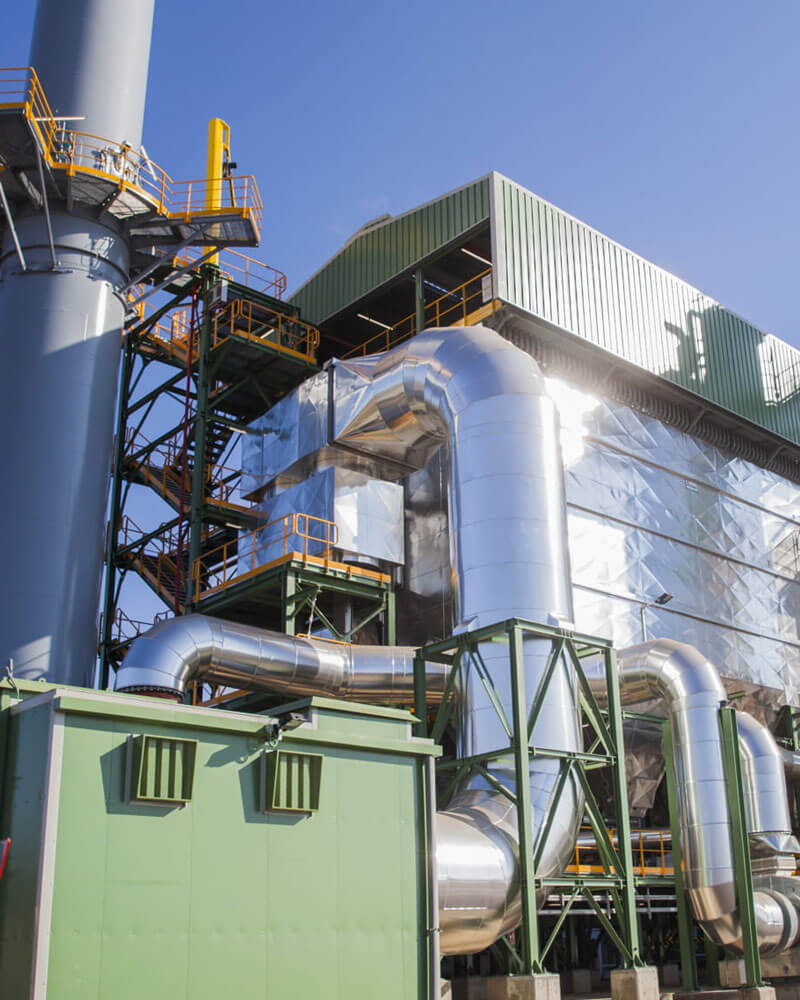
Magnon Green Energy, Ence’s renewable energy subsidiary, has taken a further step in the renewable fuels project it is developing in Puertollano. The company has secured another administrative approval, this time from the full council of Puertollano City Council, as it works towards obtaining integrated environmental authorisation (AAI) from the Department of Sustainable Development of the Regional Government of Castilla-La Mancha.
This marks a significant step forward for the initiative, which forms part of Magnon Green Energy’s commitment to developing a carbon-neutral fuels hub across its facilities in Mérida, Huelva and Puertollano.
The Puertollano project envisages a production capacity of more than 270,000 tonnes. To achieve this, it includes plans for biogenic CO₂ capture and liquefaction facilities, as well as an electrolysis plant to produce renewable hydrogen.
The planned biogenic CO₂ capture capacity is 790,000 tonnes a year. Using this CO₂ as a feedstock for new sustainable fuels will extend the value chain of renewable energy generation from biomass.
This development would introduce a new industrial activity at the Puertollano renewable energy facility, which will continue to generate renewable electricity from agricultural and forestry biomass. The aim is to establish the facility as a leading centre for renewable fuels production, drawing on its existing infrastructure and helping to decarbonise sectors that are difficult to electrify.
The project envisages creating 85 direct jobs during the operational phase. The initiative marks a further step in Puertollano’s industrial transformation.
Decarbonising transport
The Ence Group produces more than four million tonnes of biogenic CO₂ a year, positioning it as a significant player in the development of solutions involving renewable fuels and sustainable aviation fuel (SAF).
The commitment to SAF is becoming increasingly important against a backdrop of geostrategic tensions, driven both by European regulatory targets, including ReFuelEU Aviation, and by the need to reduce dependence on fossil fuels.
In this context, using local, circular resources such as biogenic CO₂ is emerging as one of the key pathways towards decarbonising air transport and strengthening security of energy supply. Developing this approach will enable some fossil-based kerosene consumption to be replaced with renewable fuels produced from local, circular resources such as biomass.
Related news
- Magnon offers the agri-food industry the opportunity to boost its decarbonization with renewable thermal energy from biomass.
- Ence cierra 2024 con un beneficio de 32 millones y un ebitda de 165 millones de euros, casi duplicando el registro del año anterior
- Magnon achieves PEFC certification, which recognizes and regulates the marketing of wood and biomass in a sustainable framework