 magnon@magnon.es



Sustainability
Sustainability
Our experience guarantees sustainability in the supply of agroforestry biomass for our power plants and for third parties
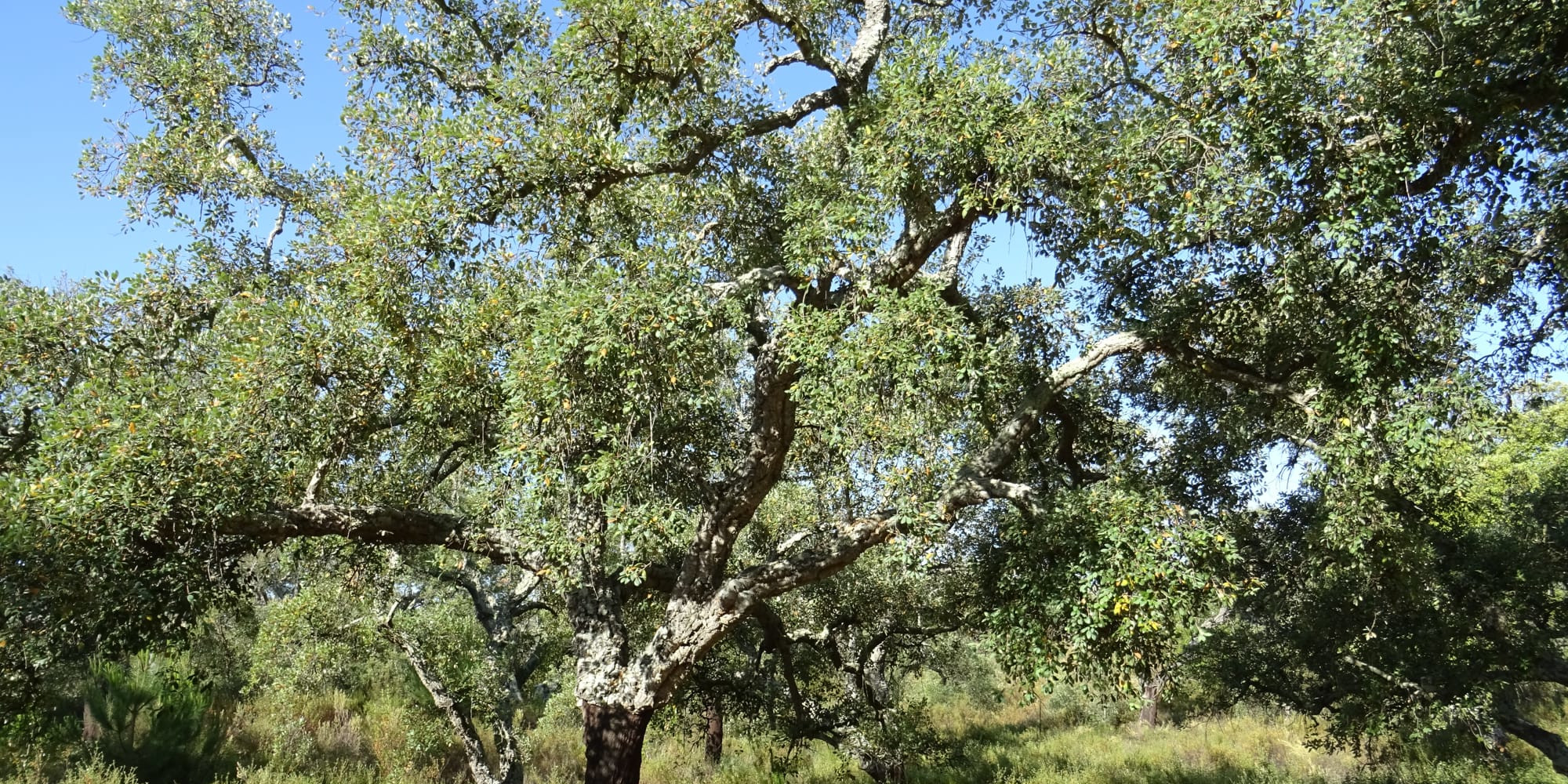
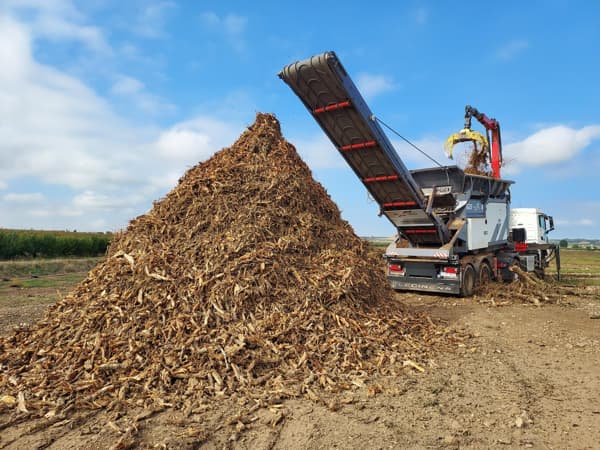
Our power plants are supplied with biomass of Iberian origin – Spain and Portugal. The main types of biomass used by Magnon include vine shoots and vineyard and orchard pruning residues, orujillo, olive leaves and pruning residues, cotton shrub residues, forestry residues, maize straw residues and gardening waste.
In addition to our experience, we have procedures and policies that are highly respectful of the environment, the priority uses of biomass and good agroforestry practices.
Environmental commitment
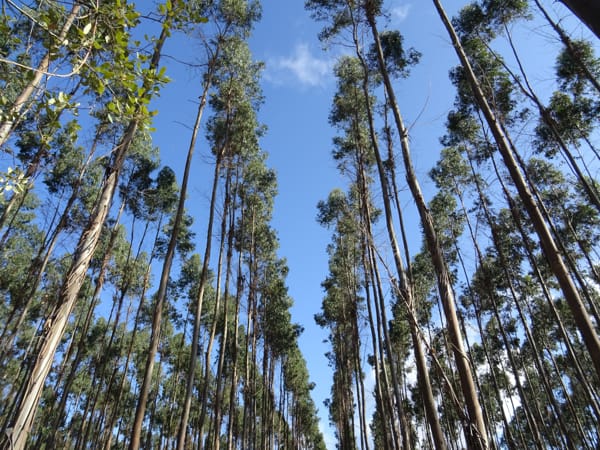
Our activity avoids the emission of more than 335,000 tonnes of CO₂ each year, prevents the uncontrolled burning of residues and reduces the risk of forest fires. We apply clean technologies and environmental control systems based on Best Available Techniques (BAT), as recommended by Europe, which guarantee efficient, safe and environmentally respectful operation.
Circular economy and rural development
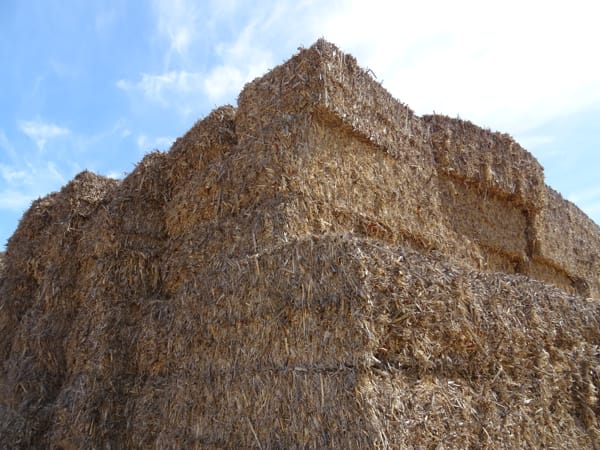
Valorising biomass means activating rural areas. Our activity generates technical and specialised employment in areas at risk of depopulation, boosts the agroforestry value chain and creates opportunities for farmers, hauliers and local companies. In collaboration with communities, we promote decentralised energy models with strong territorial roots.
Community dialogue
We operate under criteria of responsible governance, management transparency and ongoing dialogue with our stakeholders. We establish relationships of trust with public authorities, suppliers, trade unions and local entities to ensure an inclusive, fair energy transition with a positive impact.
Biomass sustainability
SURE certification
We hold the SURE (Sustainable Resources Verification Scheme) biomass certification, which endorses our commitment to sustainability.
This independent certification applies to our biomass power generation business, the commercialisation of biomass to third parties and the supply of biomass for renewable thermal energy generation.
Compliance Criteria
The Renewable Energy Directive establishes different compliance criteria for biomass:
- Sustainability requirements.
- Mass balance requirements.
- Greenhouse gas emissions reduction requirements.
- Energy efficiency requirements.
As the first point of collection for agricultural and forest biomass, and as a collection point for residues and waste, Magnon enables the possibility of group certification under the scope of its own certificate for those biomass producers who voluntarily wish to join it. In such cases, Magnon acts as the group manager in accordance with the provisions of the SURE system.
Producers who voluntarily wish to join Magnon’s group certification shall express this in writing and formalise it by signing a self-declaration annexed to the contract entered into with Magnon. Once the contract has been formalised, the biomass from the sources indicated therein may be considered certified by Magnon for the purposes established in the SURE standards.
Magnon’s group certification under the SURE system applies exclusively to Magnon suppliers who are producers of the biomass they sell to us and in cases where the supplied biomass is traceable to the plots of origin.
Rights of Members of the SURE Group Certification
- To receive information from the group regarding the certification process.
- To obtain, for the areas included in the certification process, an individual supporting document issued by the certification body or by Magnon.
- To withdraw voluntarily from the group at any time, subject to prior written notification to the Magnon representative.
Obligations of Members of the SURE Group Certification
- To formally join the group by signing the SURE self-declaration. The self-declaration shall be updated at least annually.
- To undertake to comply with, and effectively comply with, the requirements of the SURE system.
- To participate in the sample of internal inspections.
- To participate in the sample of external inspections carried out by the certification body.
- To implement, within the agreed deadlines, any corrective actions required by the group manager and/or the certification body.
Criteria for Non-Acceptance, Voluntary Withdrawal or Expulsion from the SURE Group
Non-acceptance. Magnon reserves the right not to admit an applicant to the group for justified reasons, for example (non-exhaustive):
- Evidence of non-compliance by the applicant with any of the sustainability or certification requirements established by the Renewable Energy Directive or the SURE system.
- Evidence of non-compliances by the applicant that have not been corrected, such as non-compliances detected during audits or inspections.
- The applicant states that they are unwilling to comply with any of the obligations assigned to them as described in this procedure.
Voluntary withdrawal from the SURE group. If a member wishes to voluntarily leave the group before the expiry of the contract, they must notify the person responsible for supplies or standing timber purchases in writing. The effective date of withdrawal from the group shall be the date on which the member sends the notification to Magnon.
Expulsion from the SURE group. Magnon reserves the right to expel from the group any member who fails to comply with the requirements, as well as with any corrective actions established by the group manager or the certification body.
Good Practices
Good Agricultural Practices:
- Preserve or improve soil structure.
- Avoid soil compaction as far as possible, taking into account soil type, soil moisture and the pressure exerted by the agricultural equipment used.
- Prevent soil erosion as far as possible through site-adapted use, particularly taking into account slope, water and wind conditions, and soil cover.
- Maintain natural structural elements of fields, especially hedges, trees growing within fields, field margins and field terraces, which are necessary to protect the soil.
- Preserve or maintain soil biological activity through appropriate crop rotation.
- Maintain soil humus content, in particular through sufficient input of organic matter or by reducing tillage intensity.
- Adapt soil tillage to the site, taking into account climatic conditions.
- Handle and use chemicals responsibly.
- Use sludge as fertiliser only in permitted cases (administrative authorisation).
- Implement integrated pest management.
- Protect water resources, both surface and groundwater.
- Use water responsibly.
Good Forestry Practices:
- Do not damage the soil with the machinery in use.
- Preserve soil nutrients, organic matter and soil structure.
- Do not use fertilisation to increase yield.
- Use plant protection products only as a last resort.
- Protect groundwater resources.
- Manage water resources sustainably.
- In forest management, special attention is paid to endangered plant and animal species.
PEFC Certification
With regard to the PEFC chain of custody, Magnon has implemented a management system in compliance with the requirements of the PEFC ST 2002:2020 standard. PEFC certification guarantees, in our certified biomass trading business, the traceability, legality and sustainability of forest resources from their origin to delivery to the customer, in accordance with the standards of this certification scheme.

Download the PEFC commitment here
Commitment to communities
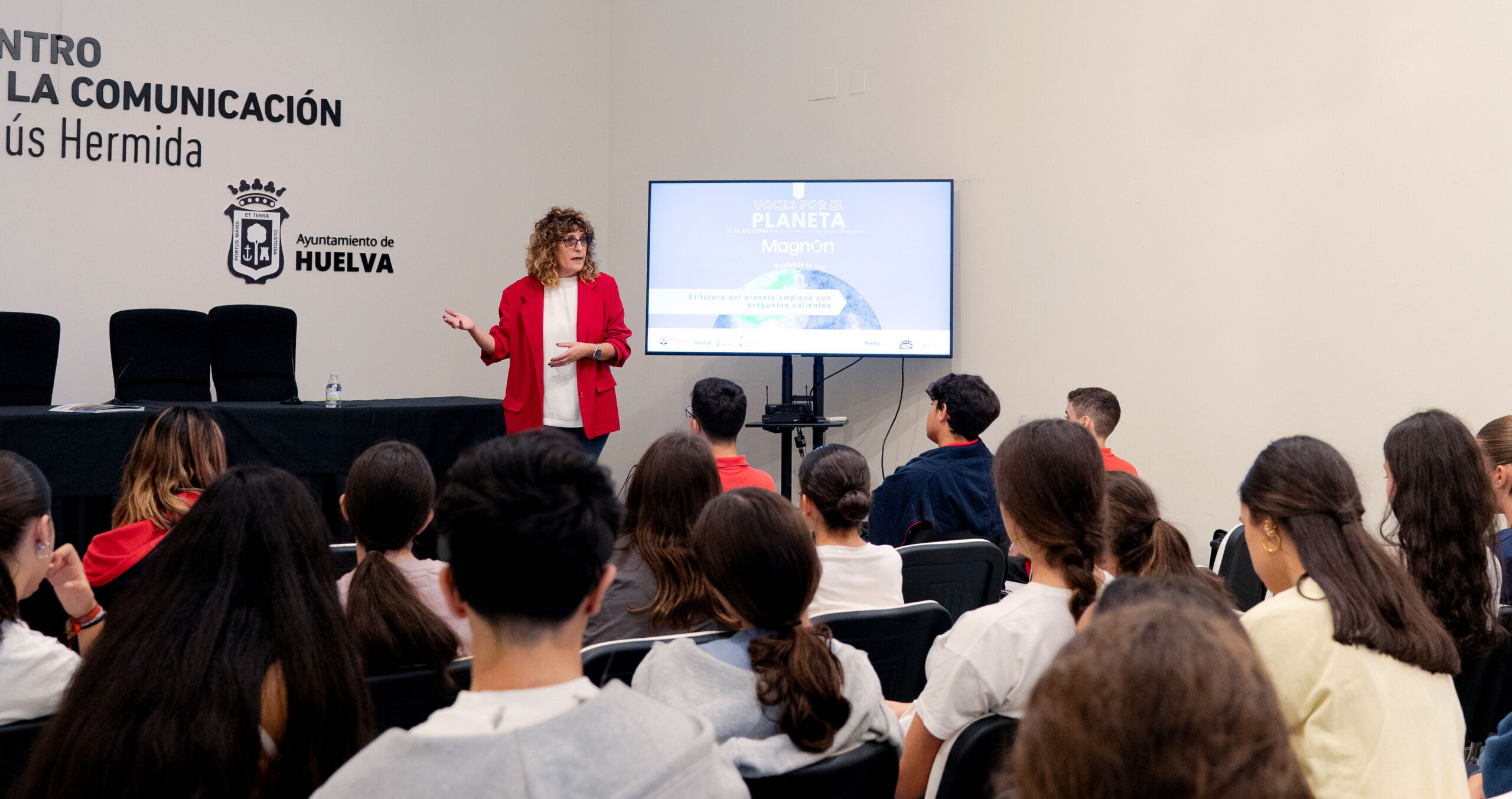
At Magnon, we understand the energy transition as a process closely linked to the local territory. That is why we maintain an active commitment to the communities where we operate, fostering social collaboration agreements and promoting stable employment, rural development, and the circular economy. We are committed to dialogue, transparency, and cooperation with public authorities and local entities to generate shared value and sustainable growth.
Turn what were once agroforestry waste into an opportunity.
Write to us at magnon@magnon.es or access the contact form and we will advise you with no obligation.