 magnon@magnon.es



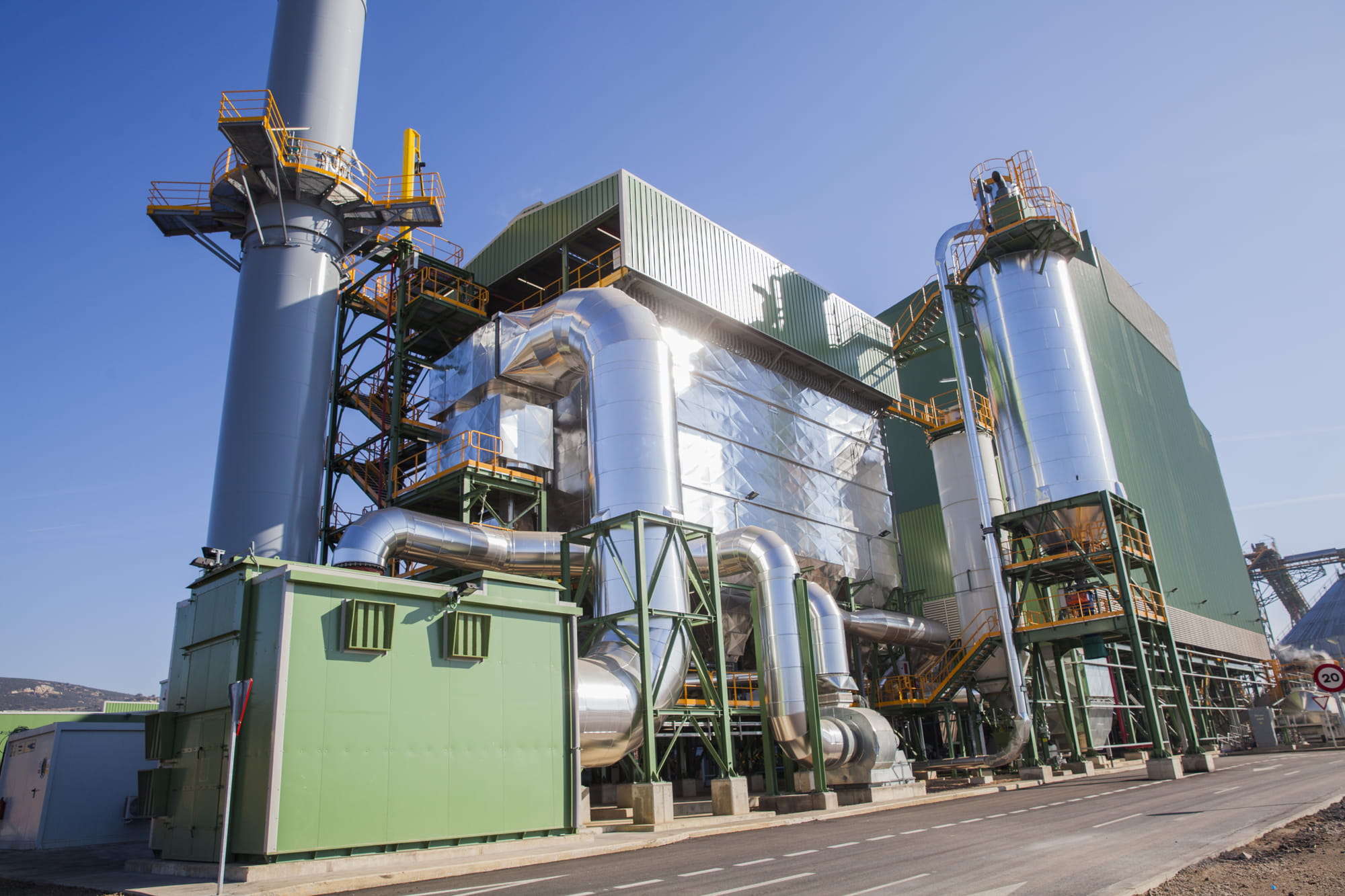
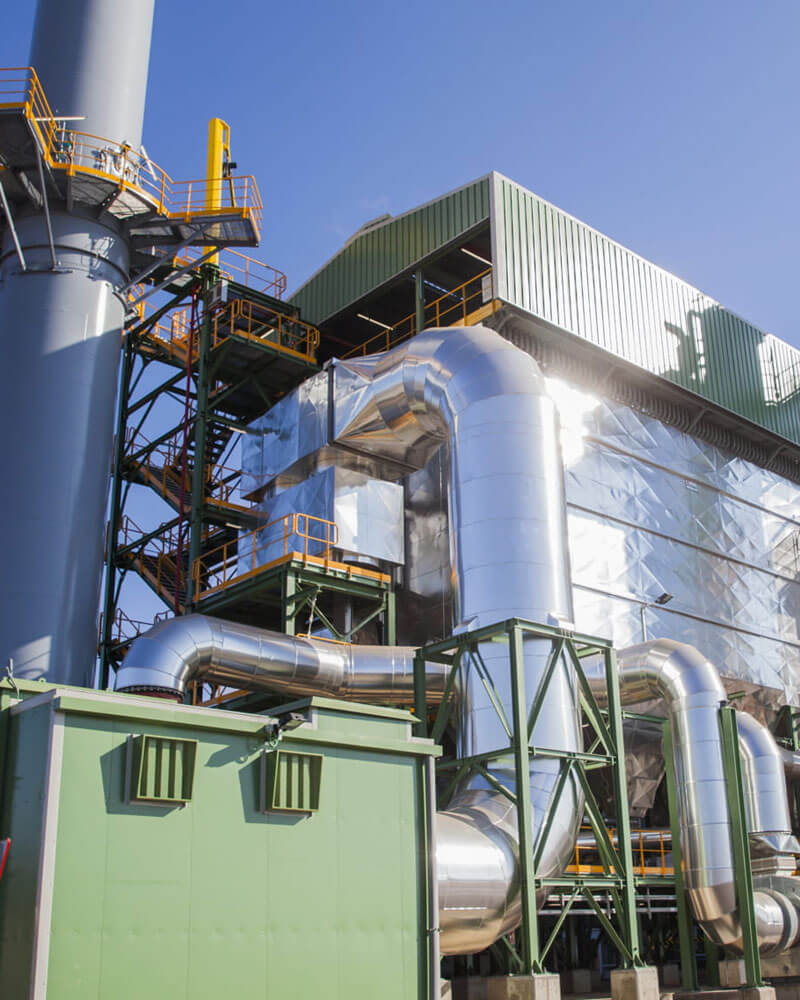
Puertollano biomass power generation plant
Biollano: exemplary energy transition
Known as Biollano 50 MW, capable of producing more than 325 GWh of renewable electricity per year—enough to meet the energy needs of nearly 100,000* households—it is one of the clearest symbols of the energy transition in Spain. Built on the site of the former Elcogás coal-fired power plant, it represents the conversion of a fossil fuel facility into a benchmark for renewable biomass energy.
Its activity is based on locally sourced agroforestry biomass, managed under sustainability and certification criteria.
The plant utilises locally sourced biomass from a diverse agricultural and forestry environment, including residues from olive groves, vineyards and fruit trees, together with forest biomass such as pine, eucalyptus and mixed forest residues, as well as sawmill by-products.
The plant, which uses biomass certified under SURE standards in compliance with the Renewable Energy Directive, is designed to capture 790,000 tonnes of renewable methanol, contributing directly to Spain’s and the EU’s climate objectives.
<p style=”font-size:10px”>*Source: <a href=”https://informesweb.idae.es/consumo-usos-residencial/informe.php”><span style=”font-size:10px”>IDAE</span></a>. Data closed on 31/03/2025</p>

Technological innovation
The plant integrates Best Available Techniques (BAT) to ensure highly efficient operation with low emissions.

Social and territorial impact
The plant contributes to revitalising the local economy and has become a benchmark for just transition and energy reconversion in Europe. This was demonstrated by the conversion of Elcogás into Biollano, which enabled the retention of skilled industrial employment in Puertollano and the creation of new opportunities for rural biomass suppliers.

Strategic projects
The Puertollano complex is also a key site within the project to advance Magnon’s renewable fuels platform, with initiatives for biogenic CO₂ capture and the production of e-methanol.
Other Magnon plants
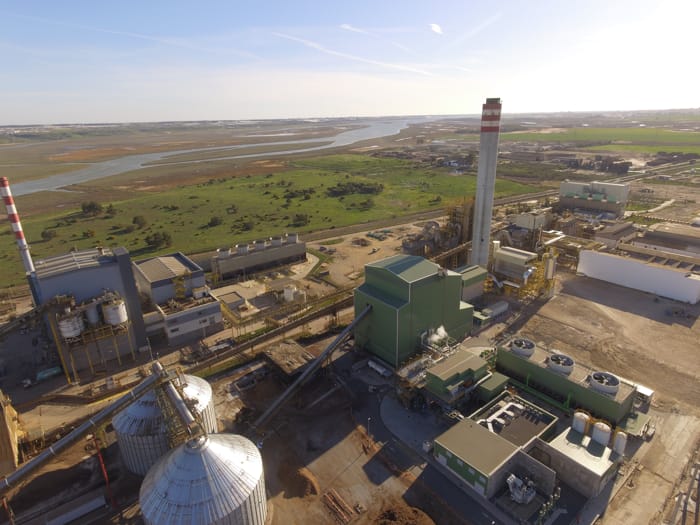
Huelva Energy Complex
Magnon’s complex in Huelva, which predominantly uses agroforestry biomass c…
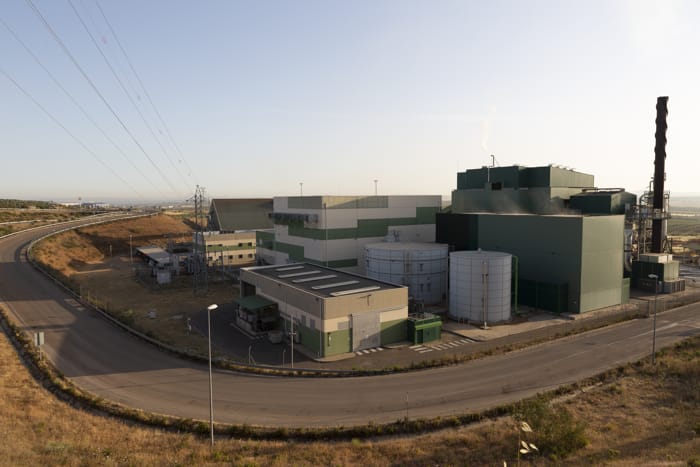
Mérida Plant
Magnon’s plant in Mérida has an installed capacity of 20 MW and is a benchm…
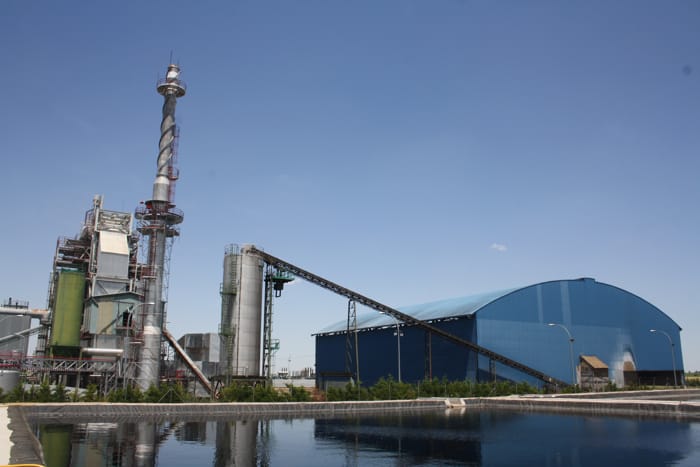
Enemansa biomass power generation plant
The Enemansa plant, located in Ciudad Real, has an installed capacity of 16…
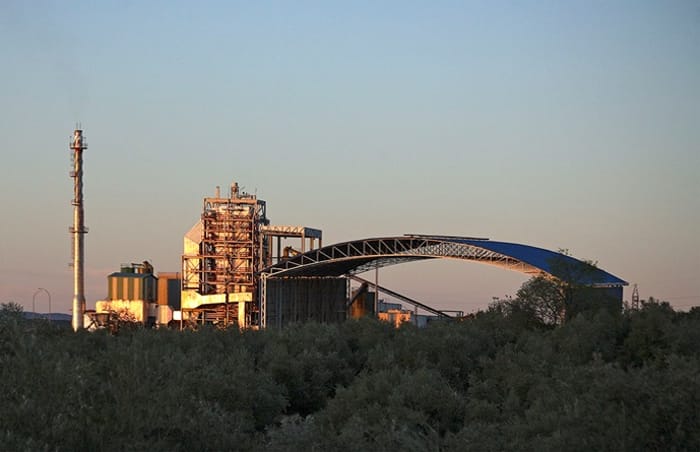
La Loma Plant
The La Loma plant, located in Villanueva del Arzobispo (Jaén), has an insta…
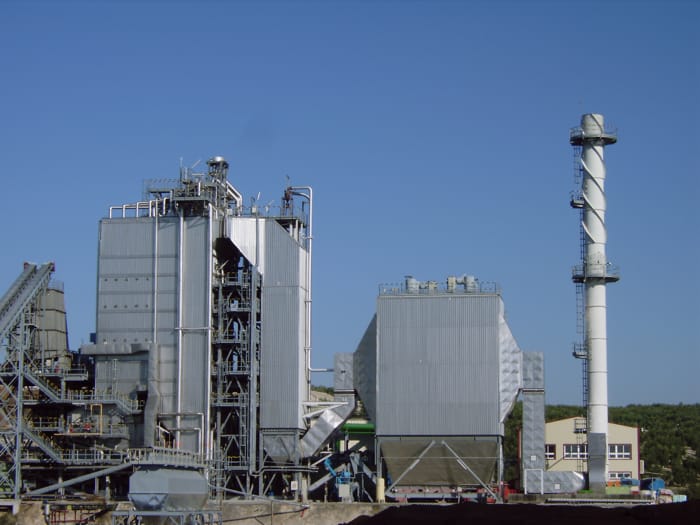
Lucena Plant
The Lucena plant, in the province of Córdoba, has an installed capacity of …