 magnon@magnon.es



Energy Services
for Industry
Energy Services
for Industry
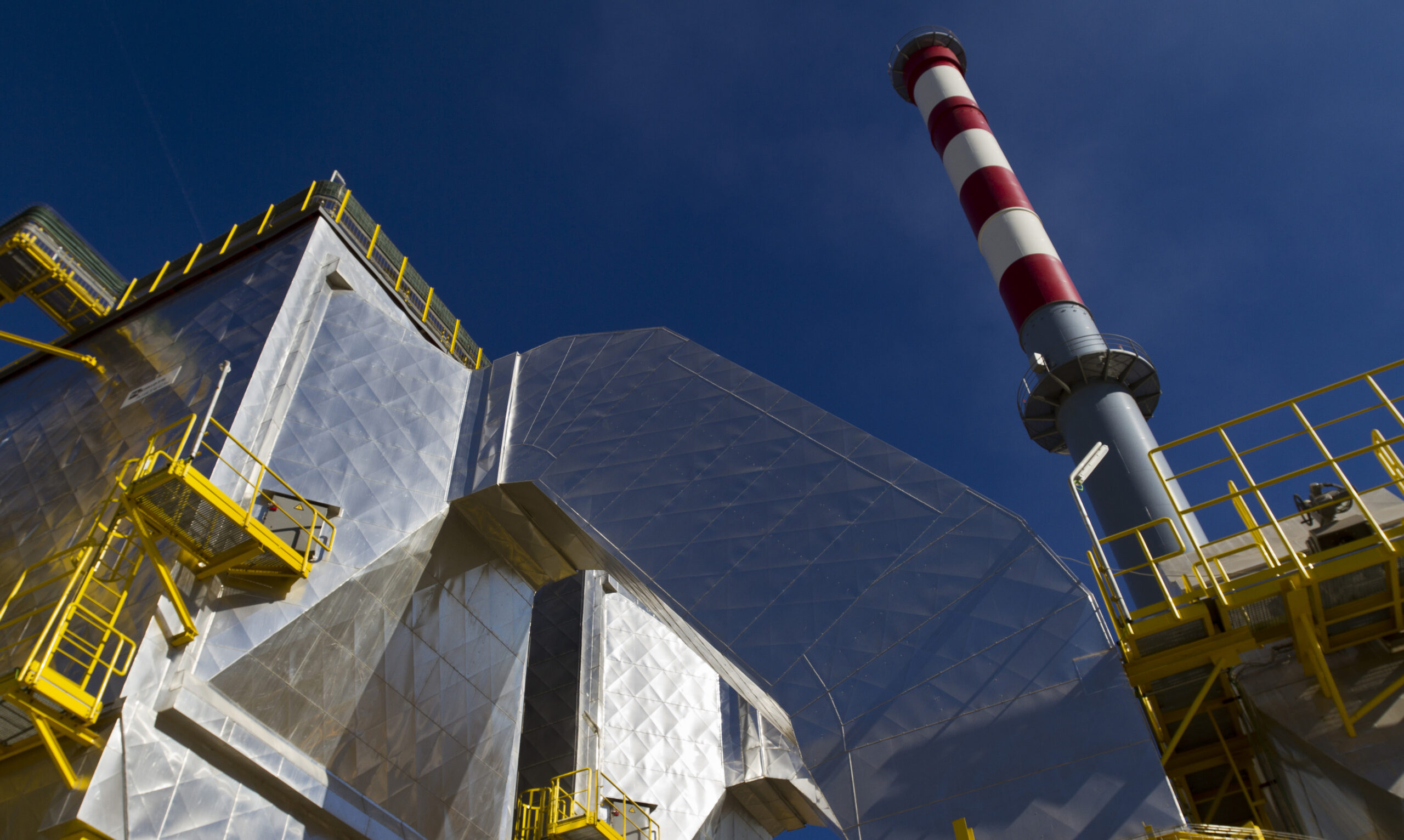
Supply of renewable heat for industry, with end-to-end project management and over 20 years’ experience in biomass energy generation
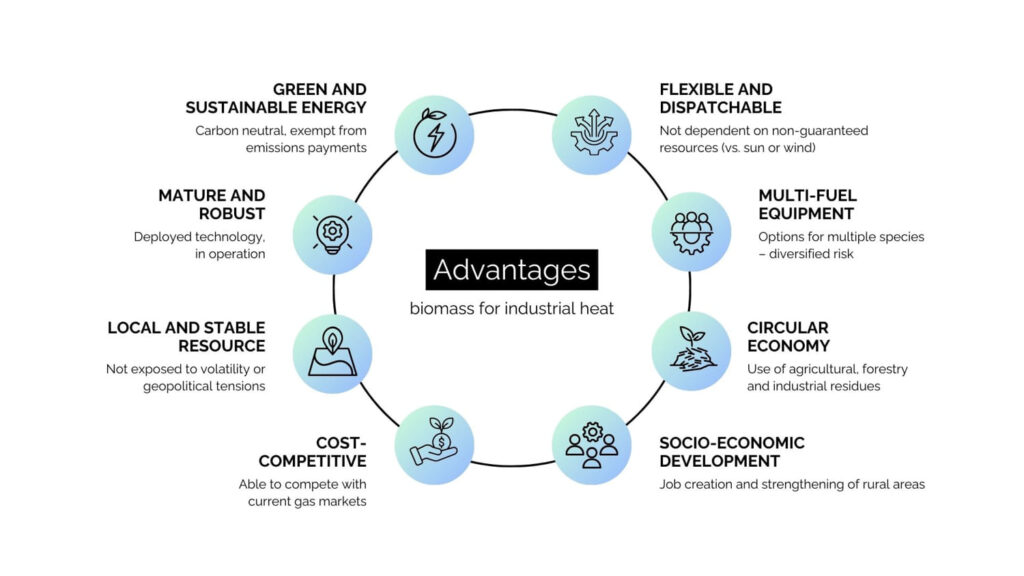
We offer comprehensive decarbonisation solutions for industrial thermal energy consumption, through solutions based on agri-forestry biomass that enable our clients to access locally produced renewable heat at a competitive and stable price over time.
Backed by our track record in biomass energy production, we support our clients across the entire value chain:
Our model. Your project
Design: we provide our clients with a dedicated team responsible for the bespoke design of the biomass plant, based on consumption needs and the user’s technical requirements.
Construction: we deliver the project on a turnkey basis, taking responsibility for all activities: permitting and authorisations, civil works, installation of equipment and auxiliary systems, legalisation and commissioning.
Financing: we undertake the full investment and manage the relevant grants, avoiding a significant upfront outlay and allowing the client to allocate those resources to their core production processes.
Operation and Maintenance: we guarantee maximum plant availability for the efficient development of industrial activity; we place at our clients’ disposal more than 15 years of experience, through a model of excellence that maximises technical, operational, safety and health standards.
Biomass supply: we provide a constant, sustainable and local biomass supply thanks to our capillarity and experience in diversification into agricultural by-products. 100% of the biomass we supply is certified under the SURE sustainability scheme.
Environmental management: we manage all waste generated in the energy production process; we valorise ashes and slags and comply with environmental limits for noise and particulate emissions.
Thermal energy: our value proposition
We formalise our services through a long-term thermal energy supply agreement with guaranteed delivery. Through this agreement, the client outsources the entire management of its thermal energy to us, benefiting from all the economic, environmental, operational and social advantages of the solution, while Magnon manages all the services covered by the contract.
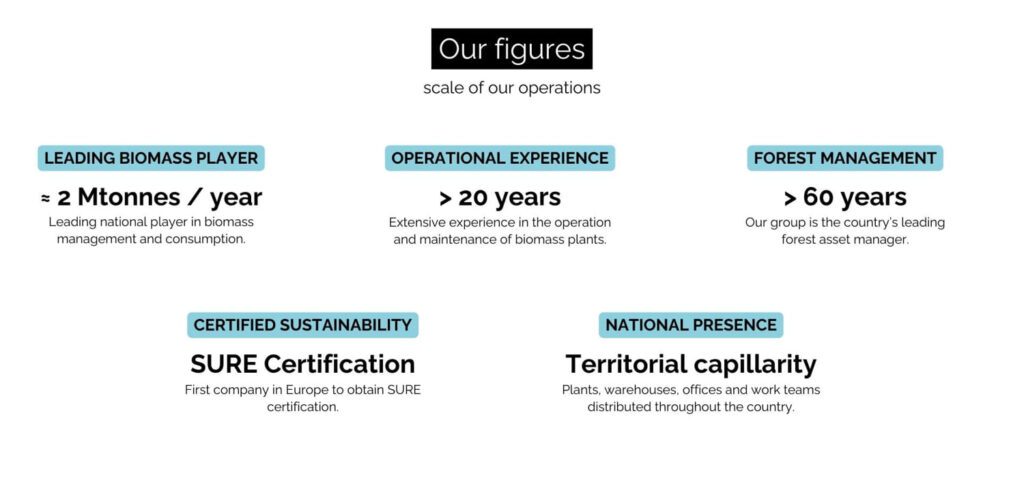
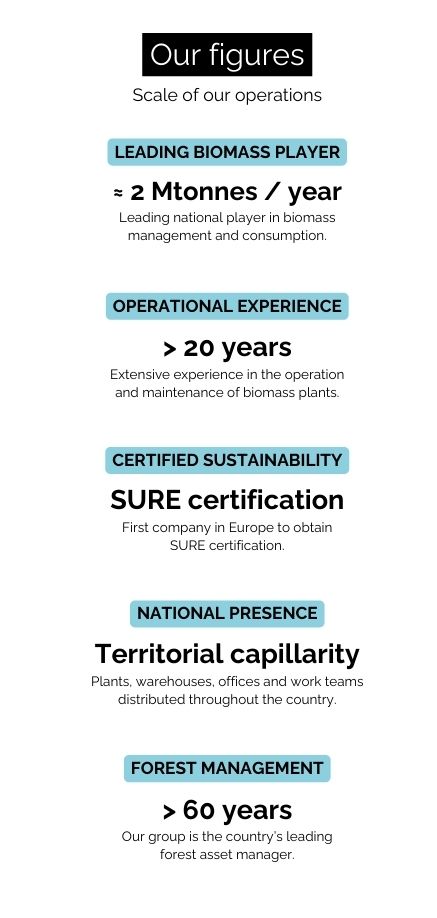
Turn what were once agroforestry waste into an opportunity.
Write to us at magnon@magnon.es or access the contact form and we will advise you with no obligation.

Objectives
The company has set the objective of reaching a production of 2,000 GWh of renewable thermal energy by 2030, thereby making a decisive contribution to the energy transition.
This ambition would materialise in the commissioning of more than 30 industrial biomass projects nationwide within this timeframe, involving the management of more than 800,000 tonnes of biomass per year for the production of local, renewable energy.
Magnon has significant contracts with leading companies in the agri-food sector, contributing to their decarbonisation and reinforcing its commitment to sustainability and the circular economy.
Projects
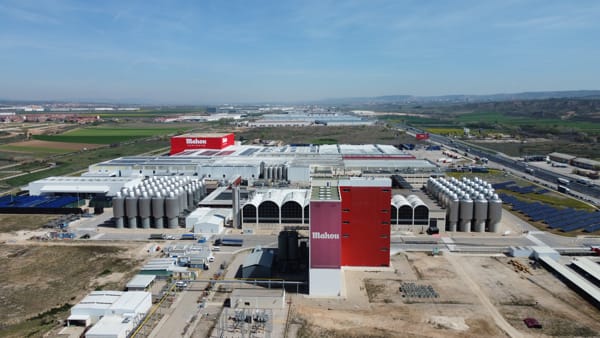
Mahou San Miguel (Alovera)
Construction of a biomass plant for the production of superheated water at Mahou–San Miguel. The new facility, representing an investment of €16 million, will enable the supply of 85 GWht per year of renewable thermal energy for 15 years, decarbonising operations at Mahou San Miguel’s Alovera plant.
Commissioning of the facility is scheduled for the first half of 2026, and it has received a €4 million grant awarded under Spain’s Strategic Project for Economic Recovery and Transformation (PERTE) for industrial decarbonisation.
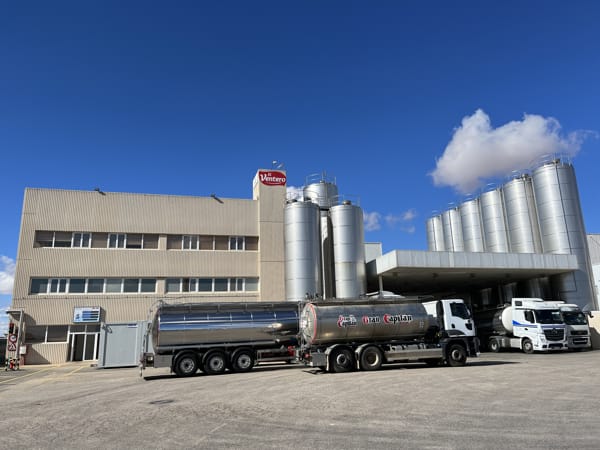
Lactalis (Villarrobledo and Granada)
Construction of two renewable energy plants based on forestry and agricultural biomass at the production sites in Villarrobledo (Albacete) and Granada, reinforcing our clients’ commitment to sustainability and the energy transition.
The projects involve a total investment of €12 million, partially co-financed by the Spanish Government’s Strategic Project for Economic Recovery and Transformation (PERTE) for industrial decarbonisation, and will contribute to Lactalis achieving a 76% reduction in Spain in its total Scope 1 and 2 CO₂ emissions compared to the 2019 base year, producing around 80 GWh per year and accelerating its industrial decarbonisation strategy.

